
British Fitness Coach Detained in Dubai Over Possession Allegation
A 25 year old British fitness professional who moved to Dubai to build her future is now being held over a possession allegation and with missiles flying overhead, she is absolutely terrified, reports Detained in Dubai.
Antonia Bettridge, from St Helens, relocated to Dubai in November 2023. She initially worked as a sports coach before moving into real estate and training to become a personal trainer. Friends describe her as health focused, disciplined and committed to a lifestyle centred on fitness, yoga and organic nutrition.
She has been detained under the UAE’s strict drug laws under suspicion of possession of narcotics with intent to promote which threatens a AED 200,000 fine and life in prison if found guilty. It’s important to note Dubai authorities do not require evidence of intention to promote or sell.
Antonia’s mother tells Detained in Dubai that the family are struggling to understand how her daughter ended up in detention.
“Antonia’s whole life revolves around fitness and healthy living. She doesn’t live a party lifestyle. She moved to Dubai to build something positive for herself. We are devastated and just want clarity about what has happened.”
Antonia’s family say the situation has been made even more distressing by the recent regional instability and missile activity across parts of the Gulf.
“With everything happening in the region at the moment, it is incredibly frightening knowing our daughter is in detention and we cannot reach her,” said her mother. “We are worried sick. We just want her to be safe and to have the opportunity to prepare her defence properly.”
Radha Stirling, CEO of Detained in Dubai, who has been supporting the family, said the broader situation has heightened anxiety for families with relatives detained in the UAE. “When there is regional instability or security incidents, families naturally become even more concerned about loved ones who are already in a vulnerable situation. It reinforces why allowing defendants to prepare their cases from outside detention, where appropriate, is so important. We hope the FCDO supports her application for bail pending any trial at the very least.”
Stirling says she is concerned about how drug allegations are handled in Dubai.
“We have worked on numerous cases involving British nationals caught up in Dubai’s purported zero tolerance drug regime, including the case of Andy Neal, who was detained following allegations linked to association and messaging. In many of these cases, wide investigative nets are cast and individuals find themselves detained before the evidential basis is meaningfully scrutinised.”
She added that evidential standards and procedural safeguards differ significantly from the UK.
“In the UAE, detention can come first and clarity later. Bail is limited, access to consistent legal advice can be difficult, and the evidential threshold does not operate in the same way it would in Britain. That creates enormous pressure on young expatriates who may not fully understand the system they are in. Antonia's lawyers have applied for her bail and we are hopeful she will be able to prepare her defence from the outside where she can have free access to her legal team.”
Antonia had been working towards launching her own business and had intended to make Dubai her long term home. Her family say they are now focused on ensuring she is treated fairly.
“We just want her to have the chance to defend herself properly,” her mother said. “She is 25 years old. Her whole future is at stake.”
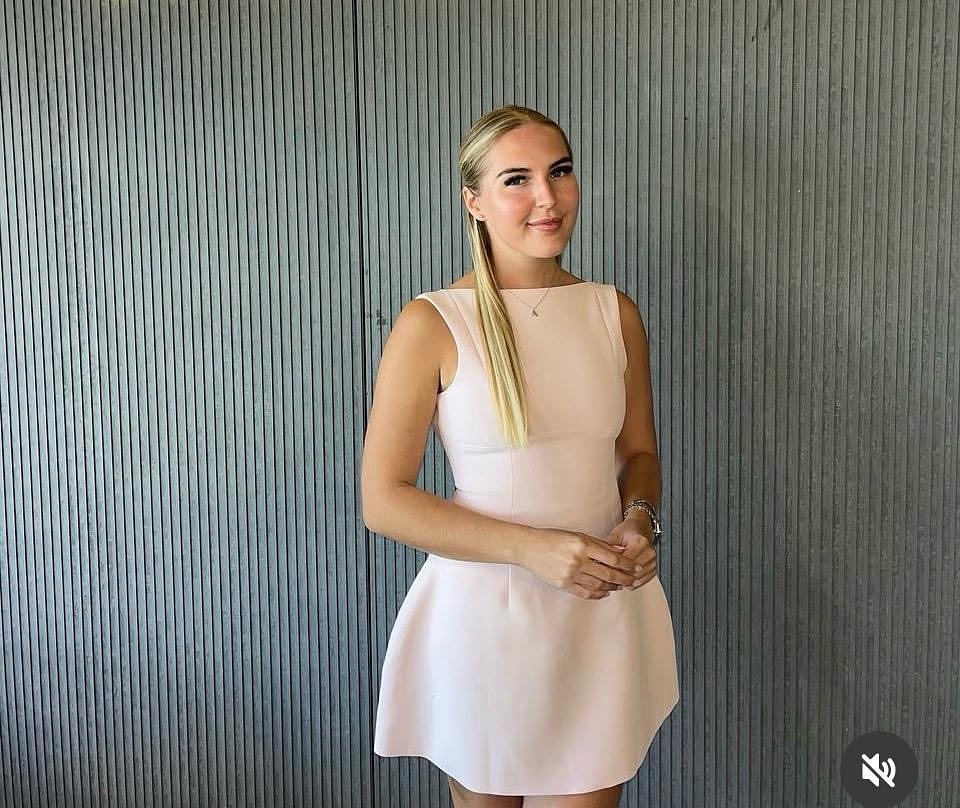
A young girl's life hangs in the balance. Photos for editorial use attached @DetainedinDubai
Stirling said the reality on the ground contrasts sharply with the polished image Dubai projects internationally.
“Dubai promotes itself as ultra safe and tightly controlled, yet drugs are widely available in certain circles and nightlife environments. At the same time, people are being arrested left, right and centre for minor or technical offences. We have seen individuals detained over trace substances, prescription issues and even products such as poppy seed spices and even herbal (hemp) tea that would not trigger criminal proceedings in most countries.”
Stirling pointed to a series of previous cases illustrating how severe and far-reaching UAE drug enforcement can be. “We have seen individuals face extraordinarily harsh penalties over substances that would not attract the same response in the UK. Billy Hood, a British football coach, was sentenced to 25 years after authorities found CBD vape liquid in his car. In the case of Cat-Le Huy, proceedings were initiated over alleged trace amounts of dust before he was ultimately cleared. Andy Neal was arrested as part of a wide-ranging operation despite no drugs being found on him or in his blood, and he was later (following a year in prison) fully exonerated. These cases demonstrate how zero tolerance is applied in practice. Once an allegation is made, the consequences can be immediate and severe, even where intent or evidence is strongly disputed.”
Stirling has also warned of deeper problems within the enforcement system itself. “There are serious concerns about perverse incentives within some drug enforcement operations. When officers are rewarded for arrests, the focus can shift from establishing the truth to simply increasing the numbers. We have repeatedly seen allegations of corruption, informant-led stings and intense pressure to secure convictions quickly. In that kind of environment, justice can become secondary to results. Foreign nationals, who often have little understanding of the system or their rights, are especially vulnerable to being swept up in cases before the full facts are properly examined.”
There is a stark gap between the glossy image of life in Dubai and the harsh legal reality. Drugs are present, but the justice system is unforgiving, risky and often incompetent. Once someone is arrested, the system moves quickly and harshly, and individuals can find themselves facing severe consequences for conduct that would be treated very differently in other countries, and in some cases for allegations that are simply untrue.”
She added that this pattern raises broader concerns about proportionality and consistency.
“When enforcement is sweeping and the penalties are severe, the burden on the authorities to demonstrate clear evidence and intent should be high. Unfortunately, we repeatedly see cases where that balance appears skewed.”
