
Regional Stability Could Expose Long Ignored Sanctions and Trafficking Networks in the Persian Gulf
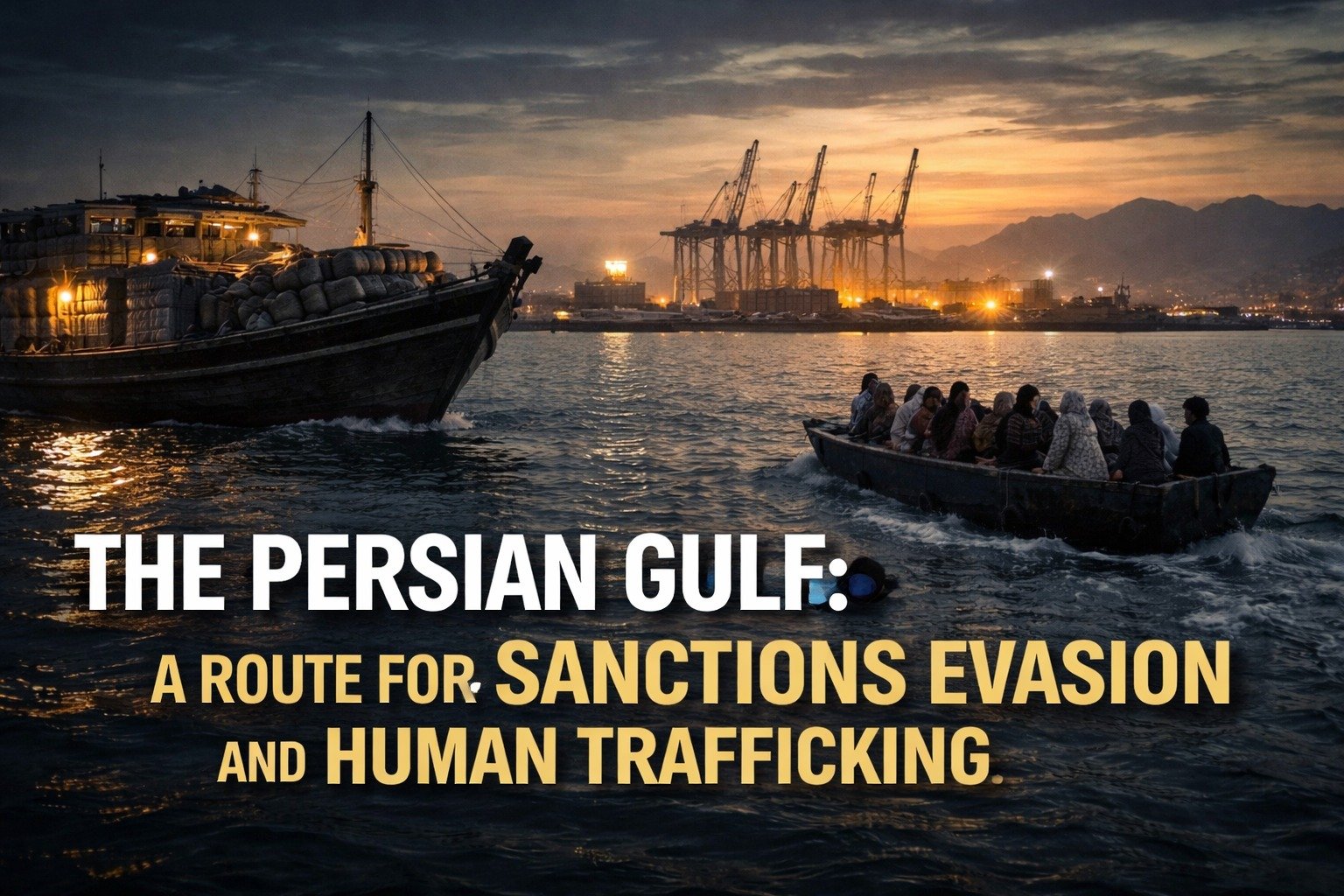
As regional tensions draw renewed attention to security in the Persian Gulf, Radha Stirling, founder of Detained in Dubai and Due Process International, has highlighted longstanding concerns about illicit maritime activity between Iran and the northern Emirates, including sanctions evasion and the trafficking of vulnerable women.
Stirling said that the waters between Iran and Ras Al Khaimah have historically served as a corridor for activities that received little international scrutiny despite being raised with US authorities and policymakers over the years.
“For years the United States has effectively turned a blind eye to sanctions violations involving trade between the UAE and Iran,” Stirling said. “Ras Al Khaimah was producing and shipping components and raw materials across the Persian Gulf that ultimately ended up in Iran and were used in weapons production. I raised these violations directly with the FBI and the matter was even tabled on the floor of Congress, yet very little meaningful action was taken to stop the practice.”
Stirling said the issue had also been discussed publicly in international policy forums.
“I spoke about these violations during my presentation at the OffshoreAlert Conference in Miami, and I have raised the same concerns in Washington DC with conservative think tanks and policymakers,” she said. “Iran’s sanctions evasion networks have been an ongoing issue for decades, and the Gulf has often played a role in facilitating trade routes that allowed goods, materials and finances to move despite international restrictions.”
She said the same maritime routes across the Persian Gulf were linked to other serious abuses that rarely receive international attention.
“For years the waters between Iran and the northern Emirates have been used for trade that authorities struggled to police effectively,” Stirling said. “That includes sanctions evasion, smuggling networks and the trafficking of vulnerable women whose stories have rarely been acknowledged.”
Stirling said that some of the most disturbing activity linked to the maritime routes involved women who were brought into Ras Al Khaimah outside normal immigration channels.
“Women were transported by boat across the Persian Gulf from Iranian ports and brought directly into Ras Al Khaimah rather than entering through normal visa systems or airports,” she said. “Using maritime routes allowed those involved to bypass standard immigration controls and avoid scrutiny from federal authorities.”
She said the practice appeared designed to keep the activity out of official records and away from oversight.
“There was a clear incentive to keep these arrivals away from the formal immigration system and from the attention of authorities in Abu Dhabi,” Stirling said. “By bringing women in by sea through smaller ports or private landing points, they could effectively disappear into the emirate without any normal immigration record.”
Stirling said many of the women involved were extremely vulnerable and often trafficked through organised networks.
“These women were the forgotten victims,” she said. “While the world focuses on geopolitics and security, there are women who were trafficked across those waters whose stories have never been properly investigated.”
She added that greater stability and scrutiny in the region could ultimately help expose and address practices that have gone largely unchallenged.
“The Persian Gulf has served not only as a corridor for sanctions violations and illicit trade, but also for the trafficking and exploitation of vulnerable women,” Stirling said. “If maritime routes are properly secured and there is genuine accountability in the region, it could finally bring attention to abuses that have been ignored for far too long.”
