
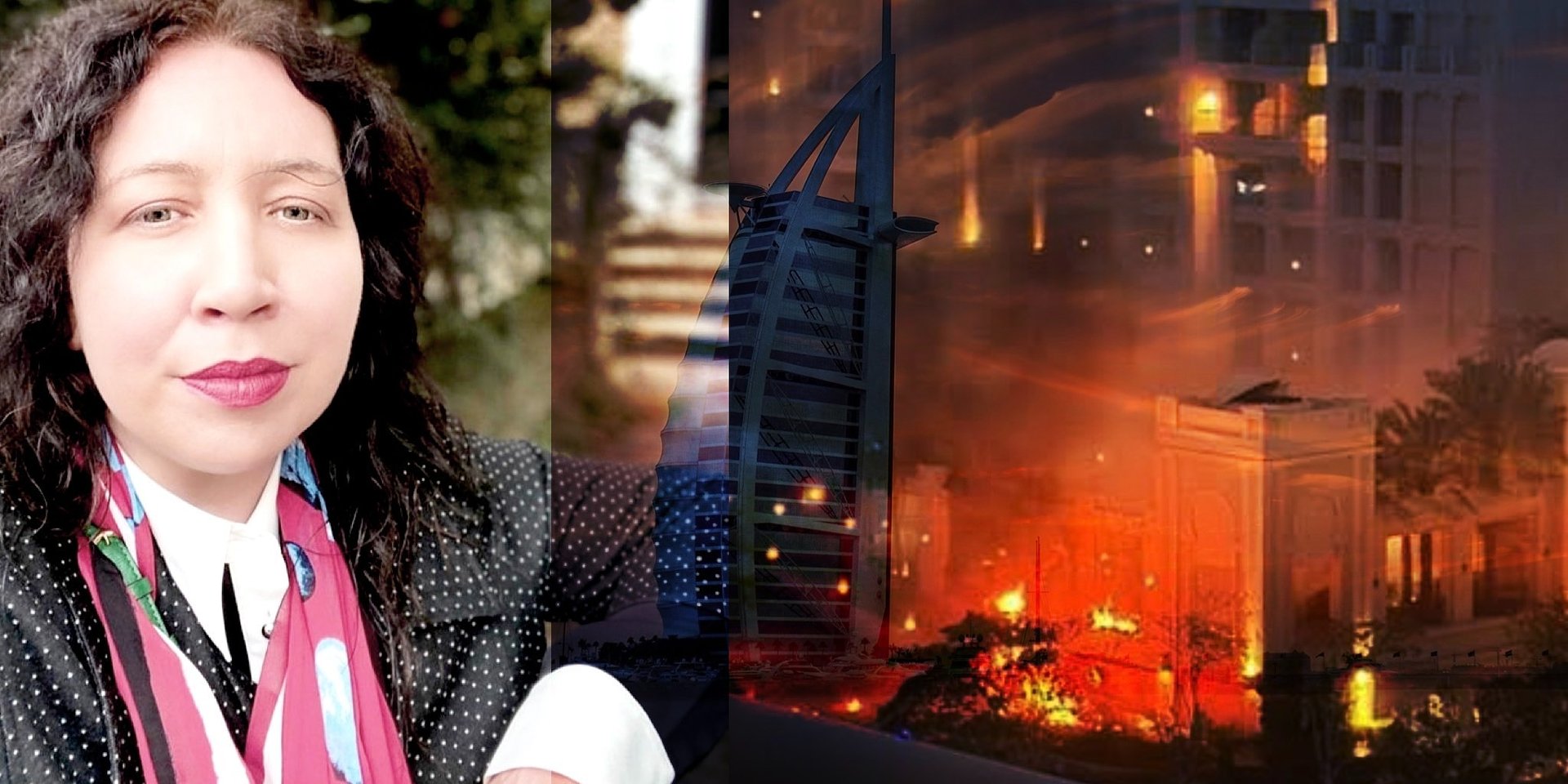
As missiles fall and social media warnings threaten jail, expatriates fear a repeat of the crisis that once saw cars abandoned at airport car parks.
UAE Expert and human rights advocate Radha Stirling has warned that the UAE government’s threats of jail for social media posts about the ongoing Iranian strikes have had the opposite effect to what authorities intended, triggering renewed fears among expatriates about their legal vulnerability in Dubai.
Stirling said the warnings have reminded many residents that they are living under laws that can criminalise speech and leave foreigners exposed to severe consequences for minor disputes or financial difficulties.
Radha Stirling, founder of Detained in Dubai and Due Process International, said:
“The government’s warning that people could face jail for posting videos, images or even sharing the wrong news article about the attacks was a strategic mistake. It reminded millions of expatriates that they are not living in the free society they believed they were.”
“In a single moment, the narrative of Dubai as a carefree, cosmopolitan safe haven collided with the reality of strict cybercrime laws that can send people to prison simply for sharing information that authorities consider negative or misleading.”
Stirling said the warnings have also revived memories of the 2009 financial crisis, when thousands of expatriates faced criminal charges after businesses collapsed.
“During the 2009 crash, many expatriates were locked up over relatively small financial disputes, travel banned and eventually left homeless when they lost their jobs. Others fled the country, abandoning their cars at the airport to avoid arrest. Many of those who left later found themselves subject to international arrest warrants or INTERPOL Red Notices after their businesses failed.
“Now people are asking the same question: what happens if businesses fail again because of a regional conflict? If the economy slows, tenants disappear and property prices fall, thousands of people could suddenly find themselves unable to meet their bank obligations.
“Nearly twenty years after the 2009 crash, we are still dealing with its victims. British citizens remain in prison, others are still fighting Interpol Red Notices and legal battles that began when businesses collapsed. The fallout lasted decades and there is every risk this crisis will create a whole new wave of the same devastation.”
Stirling said the fear of becoming trapped in the UAE during an economic downturn or conflict is already influencing decisions among expatriates and investors.
“We are seeing people desperately trying to exit property purchases and real estate commitments before a larger market correction arrives. Many are worried about being left with loans they cannot repay if the economy slows or tenants disappear.”
She said the current atmosphere has created a new kind of visible panic.
“In 2009, people fled the country leaving luxury cars at the airport. Today we are seeing people fleeing and leaving their pets behind because they cannot arrange transport quickly enough or are unsure whether they will be allowed to leave.”
“That tells you everything about the level of anxiety among expatriates right now.”
Stirling warned that the combination of conflict risk, economic uncertainty and strict legal enforcement could have serious long-term consequences for Dubai’s reputation.
“Dubai’s economy is built on confidence. It relies on expatriates believing they can build their lives and businesses there safely. If people begin to fear that a financial crisis, geopolitical conflict or even a social media post could land them in prison or trap them in the country, that confidence can disappear very quickly.”
