
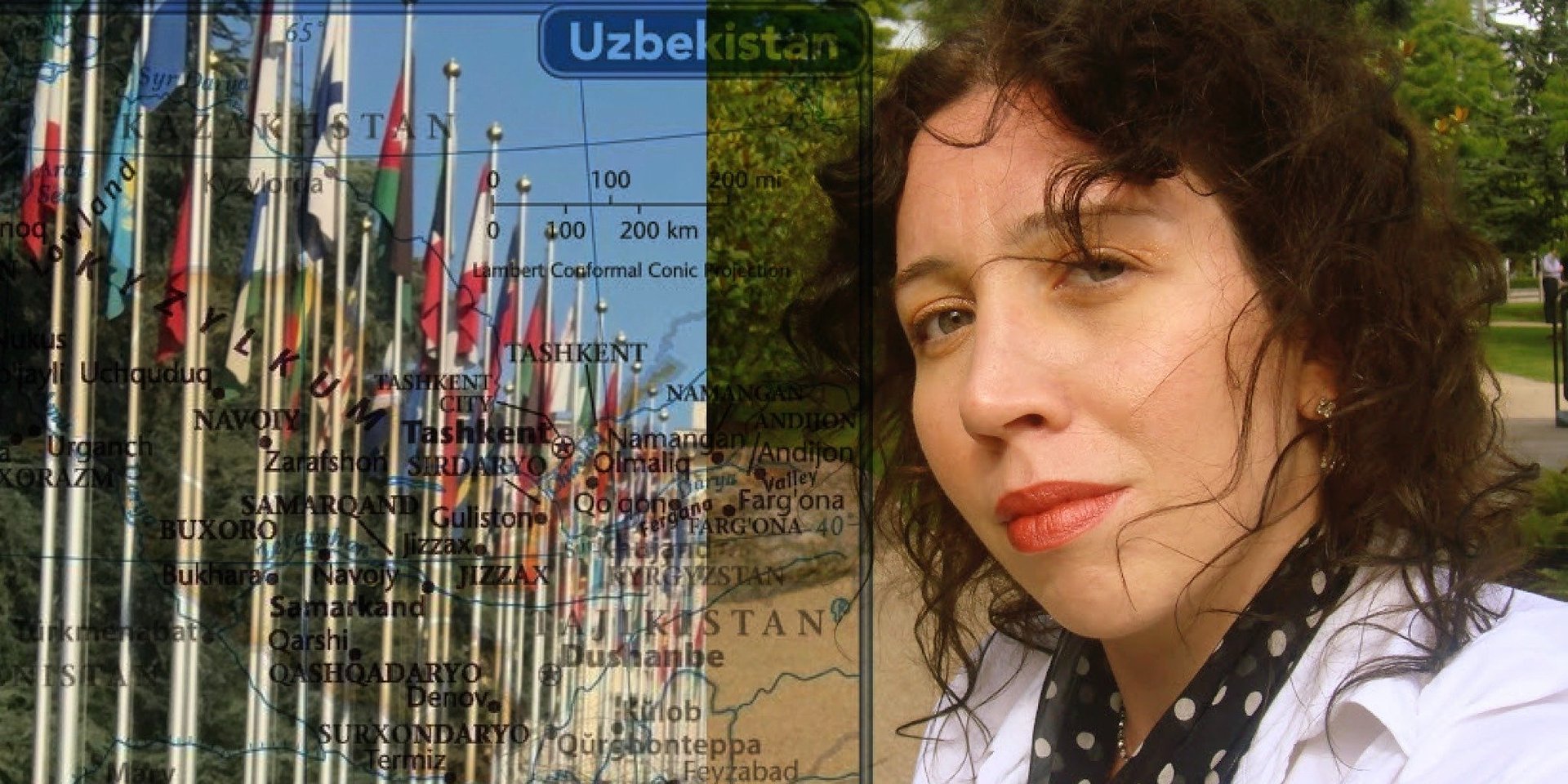
Washington, D.C. – May 28, 2026 – Radha Stirling, founder of Detained in Dubai and CEO of Due Process International, is preparing a report for Senator Tim Kaine (D-VA) providing frontline case evidence and assistance relating to S.Res. 631.. Stirling is internationally recognised for her work on INTERPOL abuse, politically motivated extraditions, transnational repression, and arbitrary detention.
Introduced by Senator Kaine on March 10, 2026, S.Res. 631 calls for a comprehensive State Department report on Uzbekistan’s human rights practices pursuant to Section 502B(c) of the Foreign Assistance Act. The resolution seeks detailed information concerning arbitrary detention, due process violations, torture risks, the treatment of individuals who are deported or extradited to Uzbekistan, and the broader implications for continued U.S. security assistance and cooperation.
In her correspondence to Senator Kaine, Stirling outlined her organisation’s direct involvement in numerous Uzbekistan-related matters involving politically motivated allegations, fabricated or unsubstantiated criminal accusations, misuse of INTERPOL Red Notices and Diffusions, coercive financial demands, and serious risks of arbitrary detention and mistreatment upon return.
Stirling also highlighted what she described as an increasingly concerning pattern in which the United Arab Emirates is being used as a rapid transit jurisdiction for arrests and extraditions connected to Uzbek requests, often raising serious concerns regarding judicial oversight, access to legal remedies, and compliance with international due process safeguards.
“We are currently supporting a British citizen who became subject to INTERPOL measures on the basis of minimal and untested allegations, simply because he worked for a company connected to a wider dispute,” said Stirling. “He was arrested abroad and threatened with extradition while substantial financial demands were made in exchange for resolving the matter. Unfortunately, these patterns are not isolated incidents.”
“We have also documented cases in which individuals have been detained or extradited from the UAE to Uzbekistan under circumstances that raise profound concerns about due process, judicial independence, asset seizure, and the risk of torture or coercive treatment following return,” she added.
Stirling referenced the recent case of a businessman extradited from the UAE to Uzbekistan without adequate procedural safeguards, where serious concerns remain regarding his treatment and legal protections. Due Process International has assisted multiple individuals and companies in challenging abusive INTERPOL notices, resisting politically motivated extradition proceedings, and securing releases from detention.
“As someone who has worked extensively on regional issues for nearly two decades, I believe our frontline experience will provide valuable and concrete evidence to support the Senate Foreign Relations Committee’s oversight responsibilities,” Stirling said.
“As geopolitical, security, and economic alliances deepen, American, British, and other foreign nationals operating internationally will face increased exposure to politically motivated INTERPOL measures, arbitrary detention, coercive extradition practices, human rights violations, and reputational targeting arising from cross border commercial or political disputes.”
Stirling confirmed that supporting documentation and evidence drawn from multiple active matters have been offered to Senate staff to assist ongoing review and reporting efforts connected to S.Res. 631.
The outreach comes at a significant moment as Uzbekistan continues pursuing expanded economic, diplomatic, and security relationships with the United States and Western allies. Stirling’s letter stresses the importance of rigorous human rights oversight and warns that systemic concerns surrounding INTERPOL abuse, coercive prosecutions, and extrajudicial extraditions through third countries must be carefully examined before deeper cooperation is advanced.
Due Process International and IPEX Reform have been involved in numerous cases concerning alleged INTERPOL abuse, politically motivated prosecutions, extradition disputes, and transnational repression, including matters involving Central Asia and the UAE.
Stirling’s correspondence underscores the importance of congressional oversight in ensuring that international security partnerships remain consistent with fundamental principles of due process, accountability, and the rule of law.
